The Empire’s Winter: Shattering the illusion of American comfort and reclaiming the soul of resilience
06/15/2026 / By Belle Carter
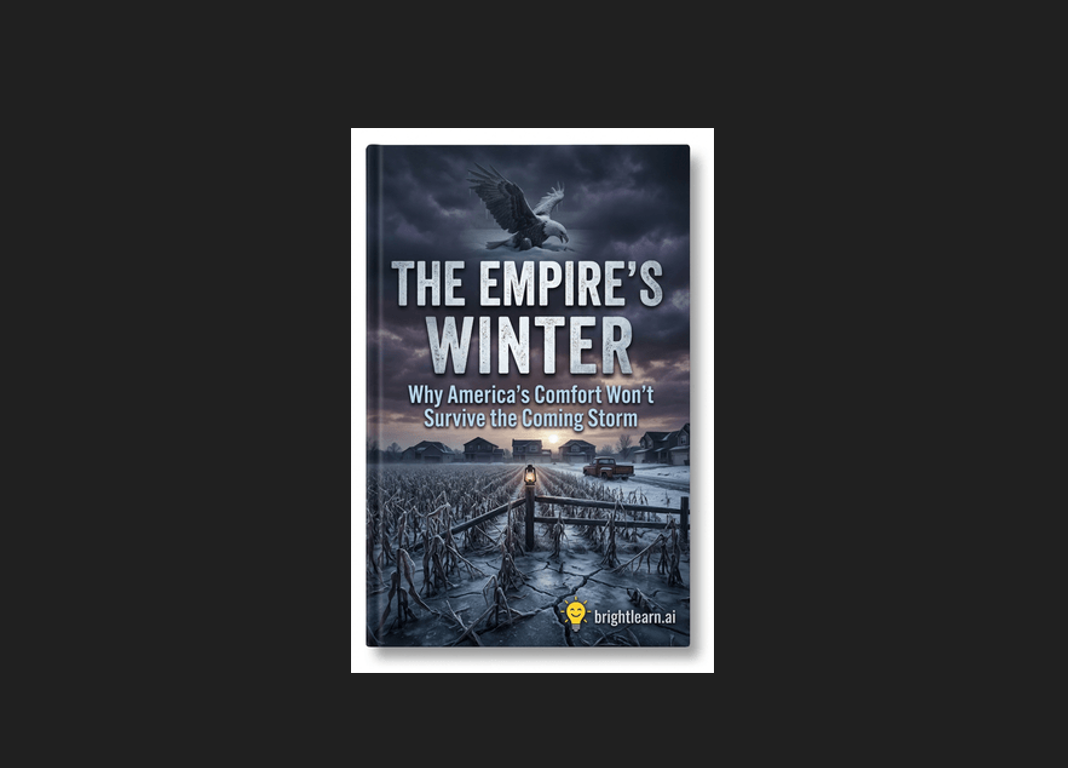
- “The Empire’s Winter” argues the U.S. is following the same collapse trajectory as the Soviet Union—exhausted from within by crumbling infrastructure, a loss of ideological credibility and a population made passive by decades of comfort. Unlike Russia, which was hardened by suffering, America is “fat, dumb and happy,” with no cultural memory of real hardship, making it far more vulnerable to systemic breakdown.
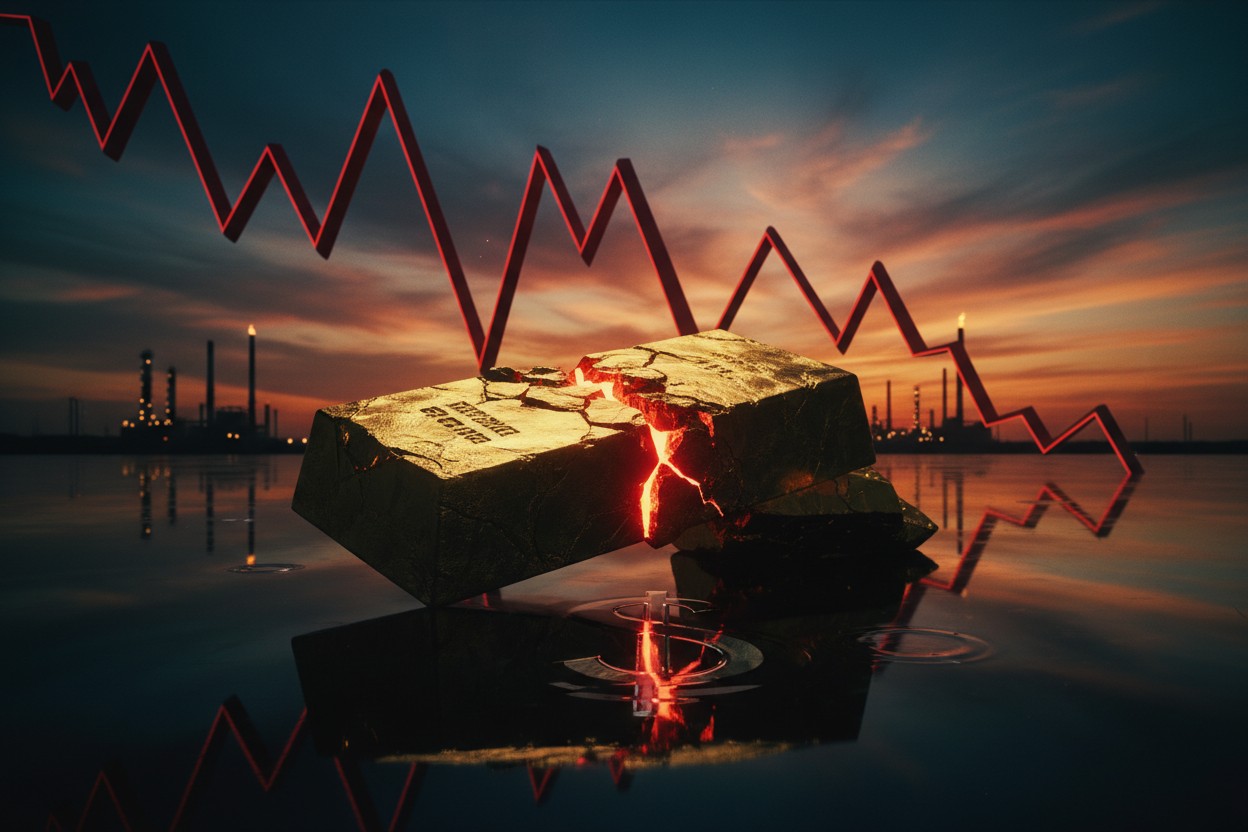
- The collapse is not accidental but a converging cascade of man-made and globalist-driven events. This includes the crippling of global energy supplies (e.g., the destruction of LNG infrastructure in Qatar and a threatened Iranian blockade of the Strait of Hormuz), leading to skyrocketing fuel costs, failed fertilizer production, crop collapse and a predicted “decade of famine.”
- The American political system is described as a “two-headed snake” where Democrats and Republicans serve the same corrupt, globalist elite. The media, Big Tech and government agencies intentionally amplify social divisions (CRT, transgender rights, immigration) to exhaust the population and prevent unified opposition to the real enemy: the New World Order and its centralized systems of control.
- The book provides a roadmap for survival, stressing that fiat currency, savings and retirement accounts are illusions with counterparty risk. True security comes from diversifying into tangible assets (gold, silver, land, tools) and mastering the skills of self-reliance: growing food, saving seeds, preserving harvests, securing water, generating off-grid power and cultivating a medicinal herb garden.
- The collapse is framed as a spiritual crisis rooted in the globalist push for depopulation, transhumanism and the replacement of human consciousness with AI. The ultimate answer is a return to the “culture of life”—honoring the family, protecting the vulnerable and rejecting the godless worldview of the elites. The collapse is not the end of the world, but the end of a world of debt and control, from which a more local, honest and human society can rise.
“The Empire’s Winter: Why America’s Comfort Won’t Survive the Coming Storm” is not a comfortable read, but then again, comfort is precisely the illusion this book seeks to shatter.
This book argues that the United States is following the same collapse trajectory as every empire before it—Rome, the Soviet Union, the Mayans—and that the signs are already visible to anyone willing to look. The author draws a direct line from the Soviet Union’s 27 million war dead and subsequent forty-year slide into economic exhaustion to America’s current predicament. The comparison is brutal, unflinching and impossible to dismiss once you’ve read the evidence.
The lesson of the Soviet Union
The book opens with a devastating portrait of what 27 million dead actually means for a society. It is not merely a statistic. It is a demographic wound that never fully healed, leaving 20 million more women than men, shattering families and creating a culture of fatalism and self-reliance that persists to this day. The author argues that the Soviet people learned something that Americans have never had to learn: civilization is fragile, the state will not save you and the only reliable security comes from family, community and your own two hands.
This is where the book’s central thesis emerges with surgical precision. The Soviet Union did not collapse suddenly in 1991. It collapsed slowly, over four decades, because it was exhausted from within. The infrastructure crumbled. The official ideology lost all credibility. The black market became the real economy. And when the end came, it was not a dramatic revolution but a quiet, grinding halt. The bread lines that defined Soviet life were not an accident—they were the natural result of a system that had run on empty for years.
The American parallel
Now comes the uncomfortable part. The book argues that America is following the same path but from a position of far greater vulnerability. Why? Because the American people have never known real hardship. We have been “fat, dumb and happy” for generations. We have no cultural memory of total war, of cities burned to the ground, of years without enough to eat. The Great Depression is a story in history books, not a living lesson passed down through families. This cultural amnesia, the author argues, is not accidental. It is engineered by centralized institutions—government, media, corporations—that benefit from a passive, consuming populace.
The statistics are sobering. Over 40% of American adults are obese. One in six takes a psychiatric drug. Most Americans cannot identify a single wild edible plant or bake bread from scratch. We have outsourced our survival to systems that are invisible until they break. And the author makes a compelling case that they are already breaking.
The perfect storm
The second chapter lays out what the author calls “the perfect storm” of converging crises. The energy war is the first domino. The book details how the destruction of liquefied natural gas infrastructure in Qatar—massive cryogenic trains with seven-inch-thick walls—has removed a significant chunk of global gas supply from the market. These are not simple repairs. They require custom-built heat exchangers with lead times of three to four years. When those trains go down, they are down for years.
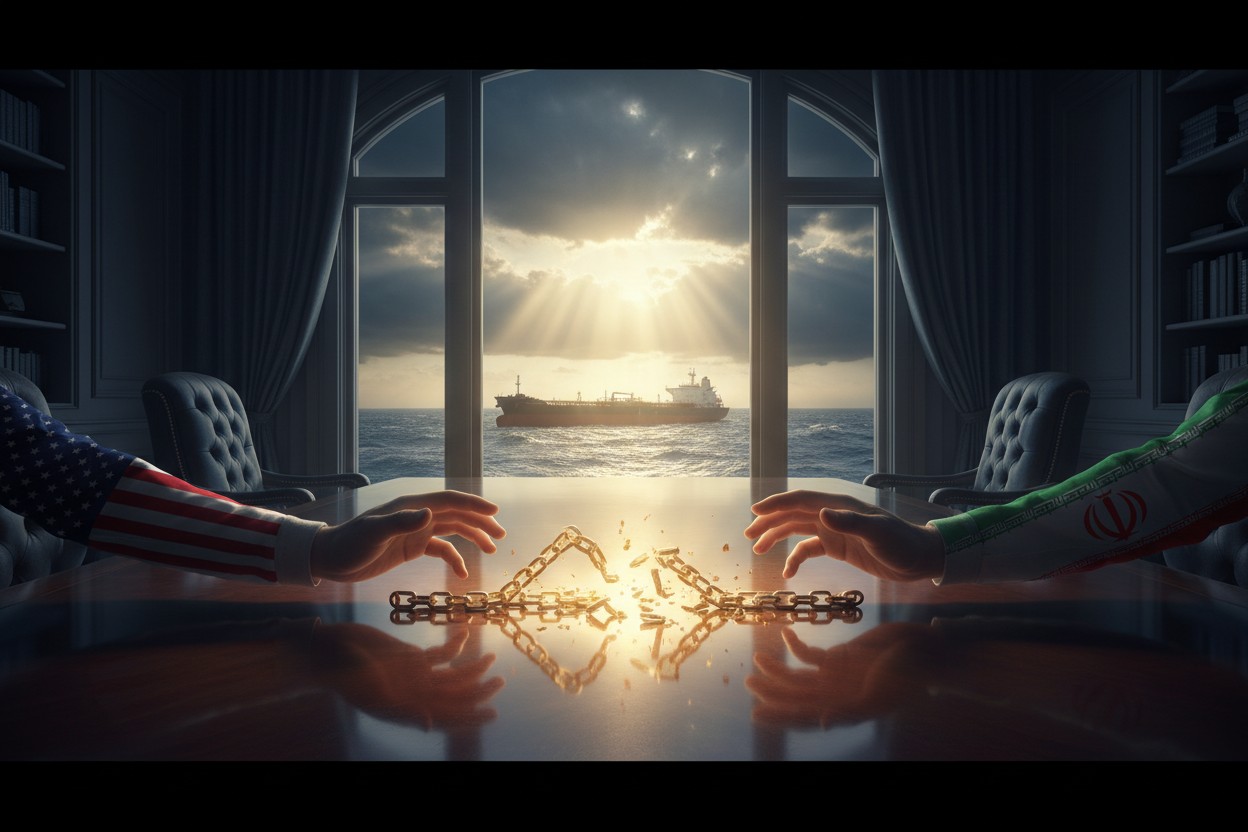
Then there is Iran’s strategic brilliance in controlling the Strait of Hormuz. The book explains that Iran does not need to sink a single ship to win. It just needs to create credible fear. If Iran announces it will charge a 10% toll on all cargo passing through the Strait, the global shipping industry will freeze. No insurance company will write policies for tankers sailing through a declared war zone. The result is an oil supply shock that makes the 1973 embargo look like a minor inconvenience.
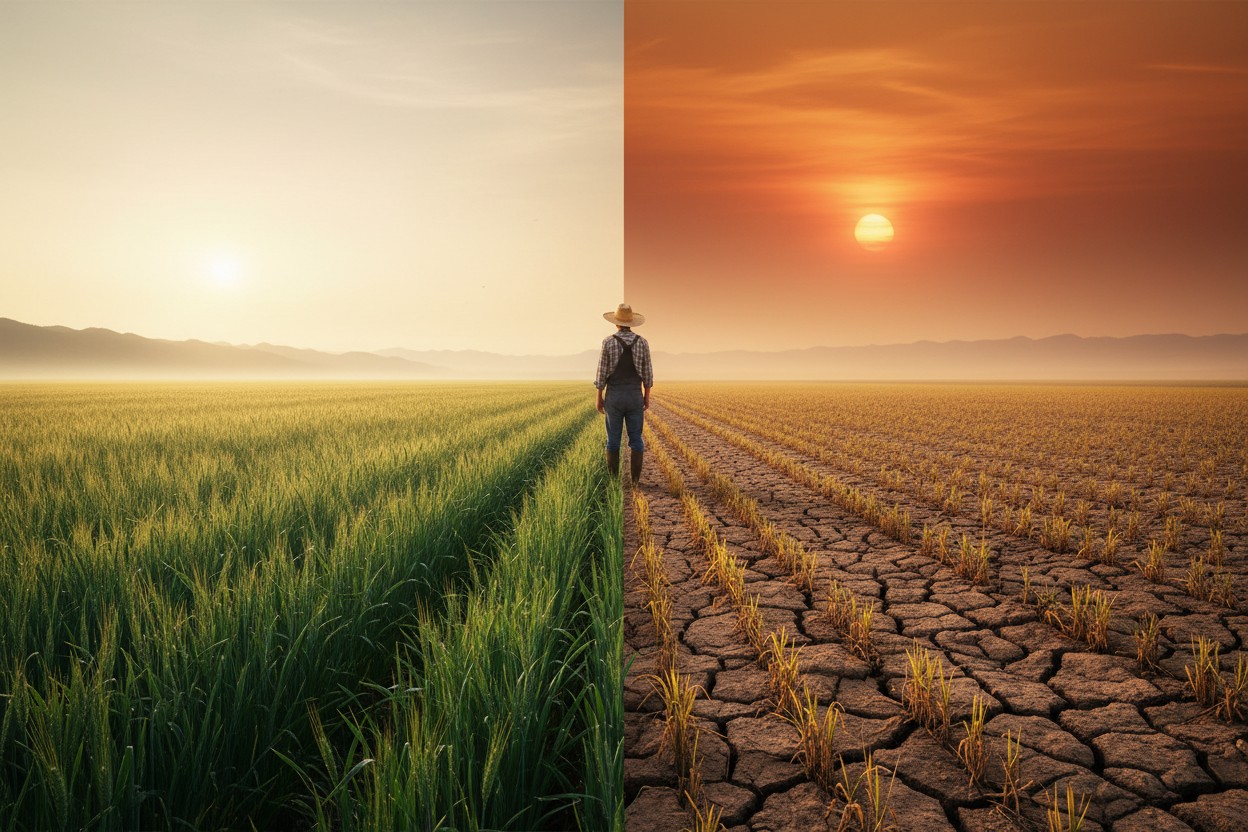
From there, the cascade is inevitable. Fuel costs skyrocket. Fertilizer production, which depends on natural gas, becomes prohibitively expensive. Crop yields plummet. Food distribution networks, already running on razor-thin margins, begin to fail. The author predicts a “decade of famine” within the next ten years, not as a distant possibility but as a near certainty if current trends continue.
The political fracture
The book’s analysis of America’s political system is equally devastating. The author describes a “two-headed snake”—Democrats and Republicans who appear to be enemies but serve the same corrupt establishment. The bank bailouts of 2008, the endless wars in the Middle East, the revolving door between government and industry—these are not anomalies. They are features of a system designed to enrich the elite while keeping the population divided and distracted.
The weaponization of division is explored in depth. The corporate media, government agencies and Big Tech platforms amplify social tensions not because they want to inform the public but because conflict drives engagement and revenue. The author argues that the protests of 2020, the culture wars over Critical Race Theory and transgender rights and the manufactured outrage over immigration are all traps designed to exhaust the population and prevent united action against the real enemies: the globalist elites and their centralized systems of control.
The practical blueprint
The book’s most valuable contribution is its practical blueprint for survival. The author does not leave you in despair. Instead, he offers a detailed roadmap for escaping what he calls “Babylon”—the fragile, corrupt, centralized system that is about to collapse.
The first step is recognizing that your savings and retirement accounts are illusions. They carry what the author calls “counterparty risk”—your money is not really yours. It is a promise from someone else and promises can be broken. The solution is to diversify into real, tangible assets: gold and silver, which have no counterparty risk; land, which produces food; and tools, which produce value.
The book then walks through the essentials of self-reliance: growing your own food, saving seeds, preserving harvests through canning and fermentation, securing a reliable water source, generating your own power through solar panels and passive design and building a medicinal garden of healing herbs. These are not theoretical exercises. They are skills that our great-grandparents took for granted and that we must relearn.
Perhaps most importantly, the book emphasizes the critical role of community. The “lone survivor” is a myth. True resilience comes from building networks of trusted neighbors who share resources, skills and protection. The author provides practical advice on how to find like-minded people, vet them for trustworthiness and structure cooperative agreements that work in both good times and bad.
The spiritual dimension
The book’s final chapters rise above practical survival into the realm of philosophy and spirituality. The author argues that the collapse of the empire is not just an economic or political event—it is a spiritual crisis. The forces pushing depopulation, transhumanism and the replacement of human consciousness with artificial intelligence are rooted in a worldview that denies the sacredness of human life.
The answer, the author argues, is a return to the culture of life: honoring the family, protecting the vulnerable and recognizing that every human being from conception to natural death possesses inherent dignity. This is not a political position but a statement of reality. A society that forgets this truth has already begun to rot from the inside.
A final verdict
“The Empire’s Winter” is not a book for the faint of heart. It will challenge your assumptions, disturb your peace of mind and demand that you take action. But it is also a book of hope. The collapse of an empire is not the end of the world. It is the end of a world—a world of debt, control and corruption. What rises from the ashes can be better: more local, more honest, more human.
The book’s central message is simple but profound: the time to prepare is now, while the lights are still on and the shelves are still full. Learn to grow food. Learn to heal with herbs. Build community. Hold real assets. Question everything the centralized institutions tell you. The empire’s winter is coming, but if you start today, you can weather the storm and help build something better on the other side.
This is a book that deserves to be read, discussed and acted upon. It is not a comfortable read, but then again, comfort is precisely the illusion we must abandon if we are to survive what lies ahead.
Grab a copy of “The Empire’s Winter: Why America’s Comfort Won’t Survive the Coming Storm” via this link. Read, share and download thousands of books for free at Books.BrightLearn.AI. You can also create your own books for free at BrightLearn.AI.
Watch the “Health Ranger Report” episode below where Bob Moriarty discusses why the war could collapse the global system.
This video is from the Health Ranger Report channel on Brighteon.com.
Sources include:
Submit a correction >>
Tagged Under:
collapse, corruption, culture war, democrats, economy, energy war, geopolitics, Great Depression, health, iran war, LNG, obesity, Republicans, Soviet Union, Strait of Hormuz, survival, The Empire's Winter, WWIII
This article may contain statements that reflect the opinion of the author
RECENT NEWS & ARTICLES